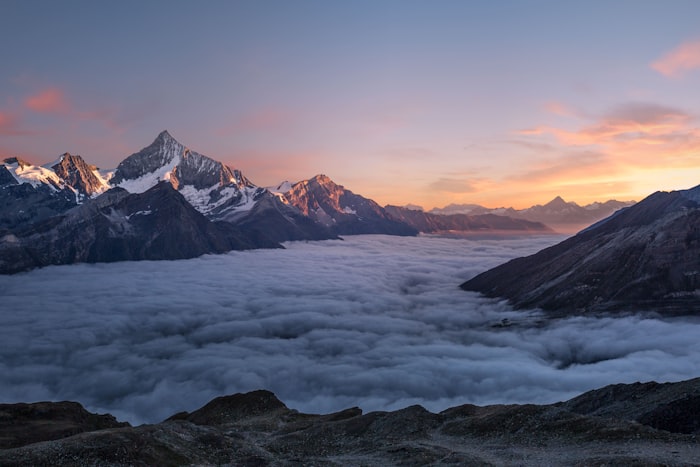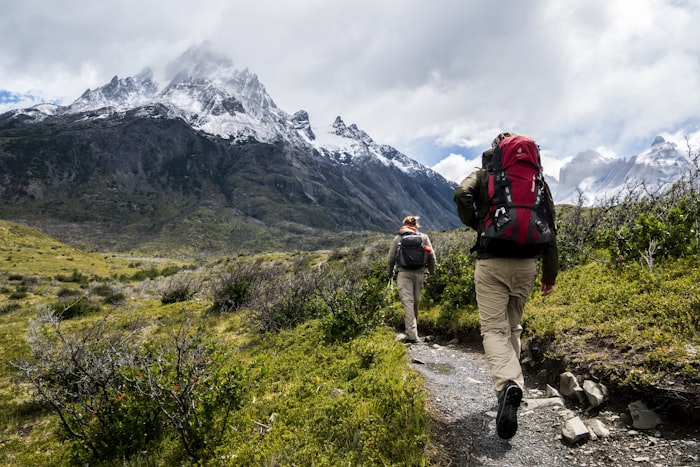
Bhutan's most celebrated trek β beneath the sacred 7,315m Jumolhari summit, through ancient yak pastures, high passes, and fortress ruins.
The Jumolhari Trek is the quintessential Bhutan trekking experience. Starting from the ruins of Drugyel Dzong near Paro, the trail follows the Pa Chhu river northward, climbing through blue pine forests and terraced farmlands before entering the vast, open alpine terrain around the base of Mount Jumolhari (7,315m) β one of the world's highest unclimbed peaks.
The route crosses two major high passes β Ngye La (4,700m) and Yeli La (4,942m) β and passes by several ancient dzongs, remote yak herder settlements, and spectacular wildlife zones where blue sheep, golden eagles, and the rare snow leopard roam.
The trek concludes by descending through the Thimphu valley to the capital, allowing time to explore Bhutan's cultural heartland before the journey to Punakha and return to Paro.
Arrive at Paro International Airport β one of the world's most dramatic runway approaches, flanked by Himalayan peaks. The afternoon is spent acclimatising and exploring Paro's historic sites.
Visit Rinpung Dzong (1646), a striking whitewashed fortress-monastery above the Paro River. Continue to the beautiful 7th-century Kichu Monastery and the atmospheric ruins of Drukgyal Dzong, where the trek begins tomorrow.
A vital acclimatisation day hike to Bhutan's most iconic landmark β Taktsang Palphug Monastery (Tiger's Nest), perched dramatically on a 900m sheer cliff face at 3,100m.
The 4-hour return hike through fragrant blue pine and fir forests serves as the perfect altitude adjustment before the trek begins. The views from the monastery terrace across the Paro Valley are breathtaking.
The trek officially begins at the ruins of Drugyel Dzong (2,580m), built in 1649 to commemorate Bhutan's victory over Tibetan invaders. The trail follows the Pa Chhu river north through terraced rice paddies, apple orchards, and traditional farmhouses.
Passing through the Gunitsawa army post β a permit checkpoint β the route enters the blue pine forests of the Paro Valley before reaching the broad meadow camp at Sharna Zampa.
The longest day of the trek. The trail ascends steadily through dense mixed forests of pine, oak, and spruce along the Pa Chhu river. Multiple stream crossings and a gentle canyon traverse add to the drama.
The old trade route junction, once used by Tibetan merchants, is passed before the trail emerges into the open meadows of Soi Thangkha β a beautiful alpine campsite with the first hints of the high mountains ahead.
One of the most spectacular days on the trek. The trail crosses above the treeline into open alpine terrain, passing through yak herder settlements at Soe and Takethang β where nomadic families bring their herds for the summer.
Arriving at Jangothang, the "land of the dragon's tent," trekkers are greeted with the first jaw-dropping close-up views of Mount Jumolhari (7,315m) and Jichu Drake (6,989m) reflected in the plateau lakes.
A full rest and acclimatisation day at Jangothang β essential preparation for the two high passes ahead. An optional 4-hour exploratory hike leads northward onto open slopes reaching 4,895m, offering panoramic views of Jumolhari's south face and the Tibetan border.
This is prime wildlife territory: blue Himalayan sheep are commonly spotted on the surrounding ridges, golden eagles circle overhead, and the rare snow leopard has been recorded in this valley. Keep an eye out for the elusive Himalayan blue poppy.
The first major pass crossing of the trek. The climb to Ngye La (4,700m) is gradual and rewarding, opening up sweeping 360Β° panoramas of Jumolhari, Jichu Drake, and Tsherim Gang (6,789m) across the Tibetan plateau.
The descent leads to Lingshi, a remote highland settlement presided over by an ancient dzong that served as a waystation for Buddhist pilgrims and Tibetan traders for centuries. Camp below the dzong's watchful gaze.
The highest point of the entire trek β Yeli La Pass at 4,942m. The steep climb from Lingshi leads to the prayer-flag-draped pass, where views extend across the full Himalayan panorama including Jumolhari, Jichu Drake, and several unclimbed 6,000m peaks.
The descent to Shodu meadow follows a dramatic rocky ridge before dropping through rhododendron and juniper scrub to the broad grasslands of the Shodu valley β one of the most beautiful campsites on the route.
A welcome descent back into the treeline. The trail follows the Thimphu Chhu (river) south through increasingly lush rhododendron and juniper forests, passing through the ruins of Barshong Dzong.
The ruined dzong, once a significant administrative centre, sits at a river confluence and makes a dramatic backdrop for the camp. This day feels like returning to civilisation after the high, exposed world of the upper valleys.
The final trekking day descends through dense broadleaf forest alongside the Thimphu Chhu to the road-head at Dodena (2,600m). The sound of the river gradually gives way to the distant hum of the capital.
A vehicle awaits at Dodena for the short transfer into Thimphu, where a warm hotel and a celebratory dinner await. In the evening, explore Thimphu's vibrant weekend market or stroll along the pedestrian zone.
Drive over the Dochu La pass (3,100m) β festooned with 108 memorial chortens β with sweeping views of the eastern Himalayan range on clear days. Visit the fertility temple of Chimi Lhakhang, beloved by couples seeking blessings.
Arrive in Punakha to visit the magnificent Punakha Dzong, considered the most beautiful dzong in Bhutan, situated at the confluence of the Mo Chhu and Pho Chhu rivers. Evening at leisure in this warm, sub-tropical valley.
Return drive to Paro via Dochula Pass, stopping at the hilltop Druk Wangyel Monastery with its extraordinary views. Visit the Centenary Farmers Market in Thimphu if the timing allows β a vibrant collection of Bhutanese produce and handicrafts.
Arrive back in Paro for a final evening β explore the traditional market lanes, browse local craft shops, or simply savour a quiet dinner with the valley views.
Transfer to Paro International Airport for your departure flight. The morning may allow a final stroll through Paro town or a last coffee with Himalayan views, depending on your flight time.
Shares the first 5 days with Jumolhari, then diverges north to the remote Laya highlands and the natural hot springs at Gasa.
The ultimate challenge β 28 days through Lunana crossing 13 passes. The Jumolhari route forms the first half of this legendary expedition.